Coloring7 min read
Ocean activities for kids: fish, whales and printables
Plan a week of ocean activities for kids with fish and whale coloring pages, printable mazes, word searches, trivia and beach scavenger hunts.
 By the 123arc teamPublished Oct 31, 2026
Contents
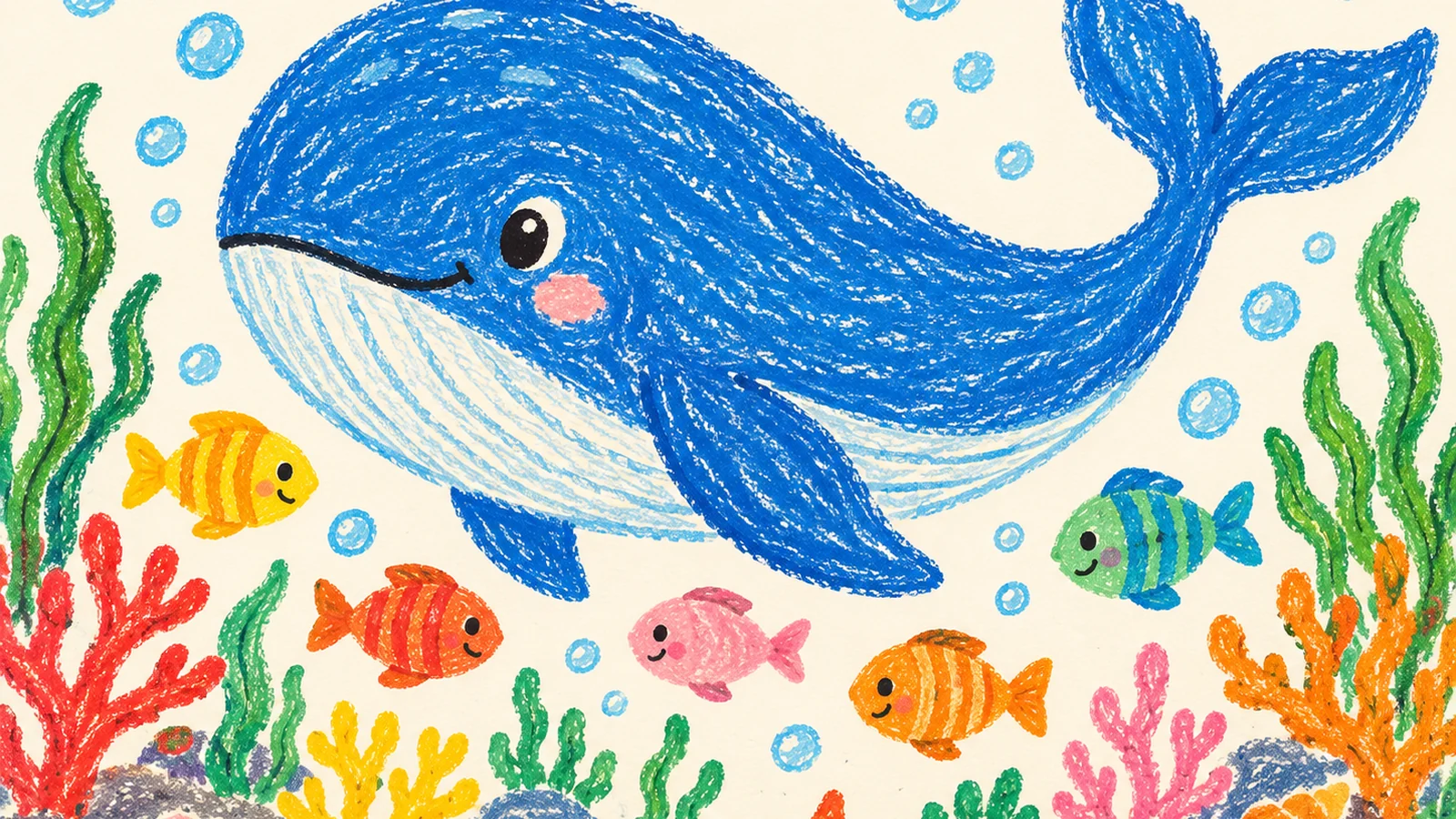
Ocean activities for kids can turn an ordinary afternoon into an under-the-sea adventure. Try fish and whale coloring pages, an ocean word search, a fish-shaped maze and simple animal trivia to give children ages 3 to 8 something fun to do while they learn about sea life.
This collection works well for parents, preschool teachers and elementary classrooms planning an ocean theme. You can spread the activities across five days or pick one printable when you need a quiet activity at home. Younger children can color and hunt for pictures, while older kids can tackle word searches, trivia questions and mazes.
Start with fish and whale coloring pages
Put out the crayons first. Fish and whale coloring pages are an easy way to introduce an ocean theme without asking children to sit through a long lesson. A preschooler might choose bright orange and yellow for a fish, while an older child might spend time adding stripes, spots and patterns to each fin.
As children color, talk about what makes these animals different. Fish live underwater and use gills to take oxygen from the water. Many fish have scales and fins, although their bodies come in all sorts of shapes. Some are tiny, while others, such as whale sharks, grow very large.
Whales are different. They are mammals, not fish. They breathe air through openings called blowholes and must come to the surface to breathe. Female whales feed their babies milk, just as other mammals do. Those two facts are usually enough to get a curious child asking questions.
For a bigger selection, try Fish coloring pages. You can also browse Animal coloring pages for other creatures to add to the activity table. Print two or three different pictures and let each child choose their favorite.
Make an ocean word search
Once children have spent some time coloring, bring out an ocean word search. It gives older preschoolers and early elementary students a chance to recognize familiar words and look carefully at individual letters. Keep the first puzzle short so the activity feels like a game rather than a spelling test.
Choose words children have already heard during your ocean conversation. FISH, WHALE, SHARK, CRAB, SEAL, SAND, SHELL and CORAL are good starting points. Read each word aloud before children begin searching. You can even draw a small picture beside each word to help younger readers connect the letters with the animal or object.
How can a preschooler join in without reading yet? Give them a picture list and ask them to find matching pictures or letters. An older sibling can read the clues while the younger child points to the answers. They can work together on the same sheet.
Use the Word search printable collection to find a suitable puzzle. For children who are still learning letter shapes, start with fewer words and larger letters. Give them a pencil or a crayon to circle each answer as they find it.
Try a fish-shaped maze
A fish-shaped maze adds a little movement to the week's paper activities. Children follow a path through the puzzle, helping a fish reach the ocean or find its way past obstacles. It looks simple, but children need to watch where the path goes and stop before taking a wrong turn.
For ages 3 and 4, choose a maze with wide paths and just a few turns. Let your child trace the route with a finger before using a crayon. If they reach a dead end, ask them to go back to the last turn and try another direction. Avoid taking the pencil and solving it for them.
Children ages 5 to 8 can handle more turns and narrower paths. You can add a small challenge by asking them to find the route without lifting their pencil. If the maze becomes frustrating, though, let them start again on a fresh copy.
Browse Printable mazes for kids for more puzzles. You can use a fish-shaped maze as a short morning activity, then save a harder maze for a rainy afternoon. A little challenge is good, but the child should still feel that the puzzle is within reach.
Add ocean trivia and real animal facts
Children often remember an animal fact when they can connect it to a picture. After coloring a whale, ask how it breathes. After working on a fish maze, ask what fish use to breathe underwater. Let children guess before you give them the answer. Getting something wrong is part of the fun.
Here are a few simple facts to use during your ocean week. Keep the conversation short and let children ask their own questions. You do not need to explain every detail of marine biology to make the activity useful.
Fish use gills to take oxygen from water. They also use fins to help them move and steer. Different fish have different diets. Some eat plants or algae, while others eat smaller animals.
Whales breathe air and need to surface regularly. Their tails move up and down as they swim. Many whales communicate using sounds, and some species travel long distances through the ocean.
Sharks are fish, not mammals. Their skeletons are made mostly of cartilage rather than bone. Octopuses are also interesting ocean animals, but they are mollusks, not fish. They have eight arms and can change their color and skin texture.
Turn these facts into a quick question game. Ask, 'Which animal breathes air, a fish or a whale?' or 'How many arms does an octopus have?' Give younger children two possible answers and let older children answer without hints. You can also use Trivia questions for kids with answers for more question time.
Take the ocean theme outside with a beach scavenger hunt
If you have access to a beach, take the under-the-sea theme outdoors. A beach scavenger hunt gives children a reason to look closely at the sand, shoreline and things washed up by the waves. You do not need to collect everything. Finding and pointing can be just as much fun.
Make a short list before you leave. For younger children, use pictures rather than written clues. Ask them to find something smooth, something with a spiral shape, a piece of driftwood, a feather or a small stone. Older children can look for different shell shapes, seaweed and signs of animal tracks.
Set a few simple rules first. Stay with an adult, keep away from rough water and never taste anything found on the beach. Leave living animals where they are, and do not disturb birds or other wildlife. Check local rules before collecting shells or other natural objects.
What if you cannot visit the coast? Set up an indoor beach hunt instead. Hide a few toy fish, paper shells and blue objects around the room. Give children picture clues and let them search together. It works on a rainy day and needs very little preparation.
Use the Outdoor scavenger hunt printable as a starting point for your list. Change a few items to suit the beach or local park. Keep the hunt short enough that little legs do not get tired before the fun is over.
Plan five days of under-the-sea activities
You do not have to complete every printable in one sitting. A five-day plan gives children time to return to the ocean theme without making each activity feel like homework. Keep each session around 10 to 20 minutes, adjusting the time to your child's attention and interest.
On Monday, start with fish coloring pages and talk about fins, scales and gills. On Tuesday, introduce whale coloring pages and explain why whales need to come to the surface for air. Let children choose their own colors rather than expecting every animal to look realistic.
Wednesday is word search day. Choose a short puzzle and read the ocean words together before searching. On Thursday, bring out the fish-shaped maze. Let children trace the path with a finger first, especially if they are new to mazes.
Finish on Friday with ocean trivia and a scavenger hunt. If you cannot get outside, hide paper sea creatures around the house. Ask children to name the animals they find and share one fact they remember from earlier in the week.
For a classroom, you can put the printables into a small ocean activity folder. Children who finish early can choose another coloring page or try a second puzzle. At home, keep the pages in a folder so your child can return to a favorite activity whenever they feel like it. Let their curiosity set the pace.
Questions parents ask
What are easy ocean activities for preschoolers?
Start with fish and whale coloring pages, picture matching and simple ocean animal questions. A fish-shaped maze with wide paths is another good choice for children who are beginning to use pencils.
How do you teach kids about fish and whales?
Explain that fish use gills to get oxygen from water, while whales breathe air through blowholes. Coloring pictures and asking simple questions helps children remember the difference.
What can I put in an ocean-themed activity week?
Include fish and whale coloring pages, an ocean word search, a fish-shaped maze, animal trivia and a beach scavenger hunt. Spread them across five days and adjust the puzzles to your child's age.
More from the blog
All articles Space activities for kids to try at home and outsideTry five space activities for kids, including rocket coloring, a star dot to dot, space trivia and a backyard night sky hunt.
 Dinosaur activities for kids: a five-day printable dino weekPlan five days of dinosaur fun with coloring pages, dot to dots, word searches, trivia and a backyard fossil hunt for kids ages 3 to 8.
 Pattern activities for kids that make math funTry pattern activities for kids that teach repeating sequences, symmetry and tessellations through coloring, drawing and simple questions.