Coloring8 min read
Activities for 3 Year Olds: 30 Easy Ideas for Home
Try 30 easy activities for 3 year olds, including coloring, pretend play, sorting, movement and kitchen jobs, with setup tips and learning benefits.
 By the 123arc teamPublished Nov 14, 2026
Contents
Activities for 3 year olds work best when they are short, hands-on and easy to start. Most children this age enjoy spending 5 to 10 minutes on one activity before moving on, so you do not need an elaborate plan to fill an afternoon.
These 30 ideas are for parents, grandparents, teachers and caregivers who want something fun to do at home without buying special supplies. You will find quiet activities for rainy days, games that get little bodies moving, and small household jobs that let your child feel grown-up.
Coloring and first paper activities
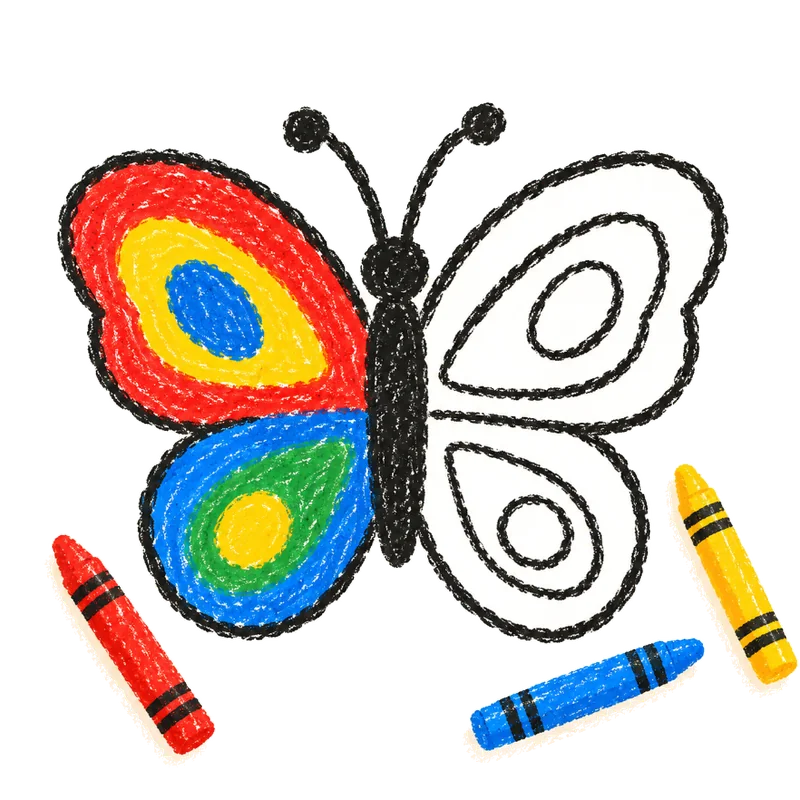
A three-year-old is still learning how to hold a crayon comfortably and control where the marks go. Give your child chunky crayons and a sheet of paper with plenty of open space. Skip complicated pictures with tiny sections. Big shapes are much easier to enjoy.
Try sitting together for the first minute, then let your child take over. You might color one circle while your child fills the next one with scribbles. That's fine. At this age, exploring the crayon matters more than staying inside the lines.
- Big-shape coloring, 5 to 10 minutes. Print a simple picture with thick outlines. Practices grip, hand control and color recognition.
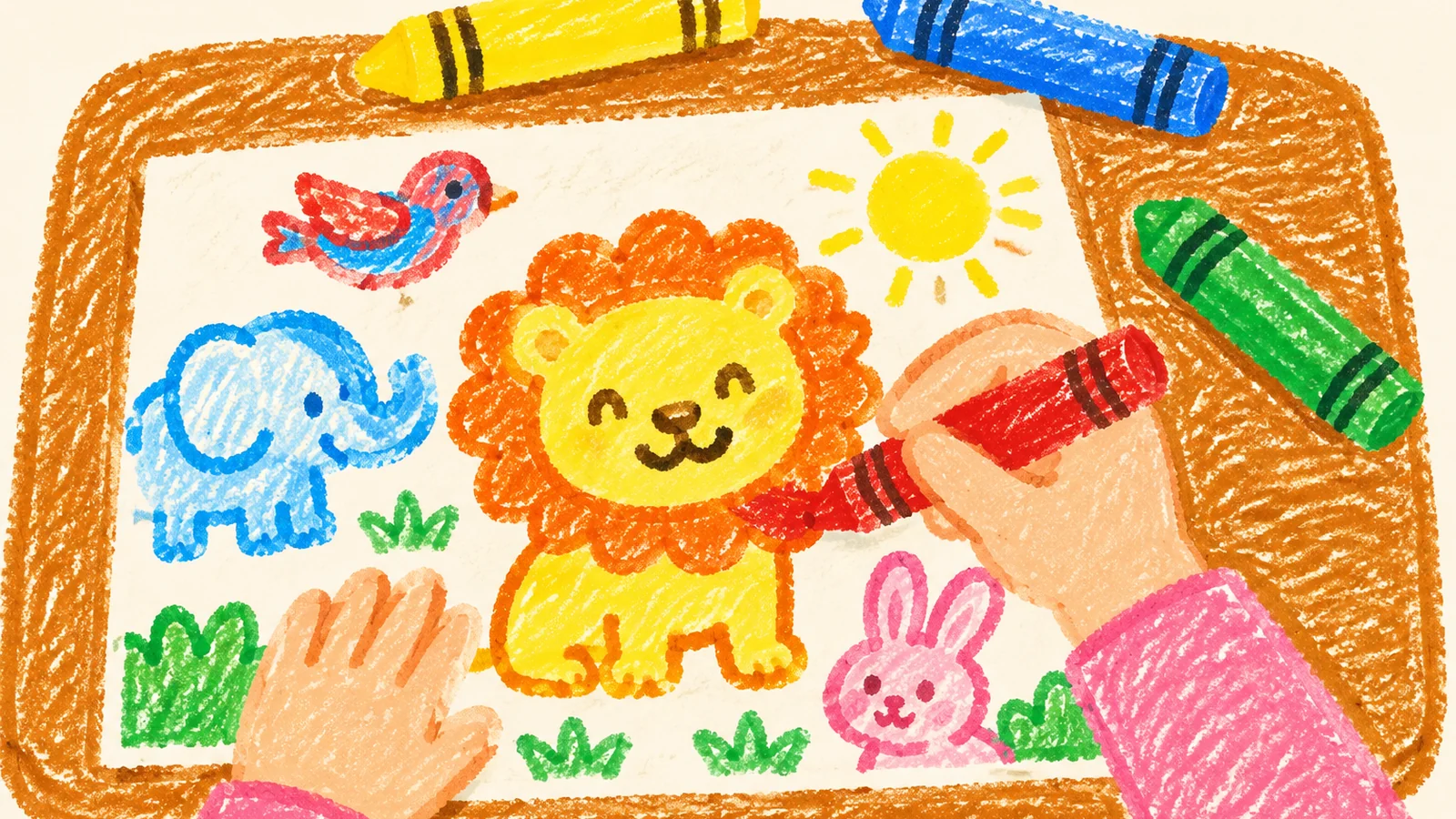
- Color a favorite animal, 5 to 10 minutes. Offer two or three crayons and an animal picture. Practices color choices and vocabulary.
- Sticker and color pictures, 5 to 10 minutes. Let your child place large stickers around a picture before coloring it. Practices finger control and planning.
- First number dot to dot, 5 minutes. Try a simple picture with numbers from 1 to 10, helping your child connect the dots in order. Practices counting and pencil control.
- Easy picture maze, 5 to 8 minutes. Use a wide path with a clear starting point and finish. Practices visual tracking and problem-solving.
Pretend play and little-world games
Pretend play is a good way to keep a three-year-old busy without setting up much. A few household objects can become a grocery store, doctor's office or restaurant. You do not need toy versions of everything.
What if your child changes the rules halfway through? Follow along. If the stuffed animal is suddenly a customer who needs three bananas and a blanket, go with it. Your child is practicing language, imagination and social skills through the conversation.
- Teddy bear doctor, 10 minutes. Give a stuffed animal a checkup with a toy spoon and a clean cloth. Practices caring, body vocabulary and pretend conversations.
- Home grocery store, 10 minutes. Arrange a few empty food containers and let your child shop with a small basket. Practices sorting, counting and everyday vocabulary.
- Restaurant game, 10 minutes. Your child takes orders and serves pretend meals on toy plates. Practices memory, turn-taking and speaking.
- Toy animal rescue, 5 to 10 minutes. Hide a few animals under cushions and let your child find them. Practices movement, imagination and simple problem-solving.
- Laundry basket bus, 5 to 10 minutes. Turn an empty basket into a pretend bus and ask where everyone is going. Practices storytelling and conversation.
Sorting, matching and simple learning games
Three-year-olds often enjoy putting things into groups. You can use objects you already have, such as socks, plastic cups, blocks or large toy animals. Start with two groups rather than asking your child to sort a whole pile.
Keep small objects away from children who still put things in their mouths. Use large, age-appropriate items and stay close while your child plays. The goal is to let them notice what is the same and what is different.
- Sort socks by color, 5 to 8 minutes. Put a few clean pairs in a basket and match the colors. Practices visual comparison and matching.
- Match lids to containers, 5 minutes. Offer safe, clean containers and their matching lids. Practices shape recognition and problem-solving.
- Build a color tower, 5 to 10 minutes. Ask your child to stack blocks of one color, then another. Practices color recognition and hand-eye coordination.
- Animal matching, 5 to 8 minutes. Match toy animals to pictures of the same animals. Practices memory and animal vocabulary.
- Big and small sorting, 5 minutes. Use large toys that are clearly different in size. Practices comparison and descriptive words.
Music and movement activities
Some afternoons call for movement rather than another table activity. Put on a familiar song, clear a little floor space and let your child move freely. You can join in or give simple instructions.
Keep the games short and leave enough room to move without bumping into furniture. If your child gets excited, slow the music down and switch to a quieter movement game.
- Freeze dance, 5 to 10 minutes. Dance while the music plays and freeze when it stops. Practices listening and body control.
- Animal walks, 5 minutes. Walk like a bear, hop like a frog or stretch like a cat. Practices coordination and body awareness.
- Follow the leader, 5 to 8 minutes. Take turns choosing simple movements such as clapping or marching. Practices imitation and turn-taking.
- Homemade shaker band, 5 minutes. Use a securely closed, child-safe shaker designed for young children. Play along to music. Practices rhythm and listening.
- Pillow stepping path, 5 to 10 minutes. Place firm cushions on the floor with plenty of space between them. Walk across with an adult nearby. Practices balance and coordination.
Outdoor activities for fresh air
You do not need a playground or a long outing to make outdoor time interesting. A backyard, patio or short walk around the block can provide plenty to explore. Let your child stop and look at things that catch their attention.
Stay nearby, especially around driveways, roads, water and unfamiliar plants. Choose a simple activity and let your child set the pace. Some days, looking at ants for five minutes is enough.
- Nature color hunt, 10 minutes. Find something green, brown, yellow and red outdoors. Practices color recognition and observation.
- Leaf collection, 10 minutes. Collect a few fallen leaves and compare their shapes. Practices noticing details and describing objects.
- Sidewalk chalk drawing, 10 minutes. Draw large circles, lines and simple shapes on a safe paved area. Practices hand control and early shape recognition.
- Water painting, 5 to 10 minutes. Give your child a large paintbrush and a small container of water to paint a fence or pavement. Practices hand movements and cause and effect.
- Backyard obstacle walk, 10 minutes. Walk around cones, step over a low object and follow a simple path. Practices balance and following directions.
Kitchen helper jobs and everyday activities
Three-year-olds often want to do whatever the grown-ups are doing. Give that interest a safe place in the kitchen. A child-sized task can keep your little helper occupied while you prepare a meal.
Keep your child away from hot pans, sharp knives, appliances and raw ingredients that need careful handling. Use a stable step stool only when appropriate, and stay within arm's reach. You can do the difficult parts yourself and let your child handle the simple ones.
- Wash fruit, 5 minutes. Let your child rinse whole apples or other suitable fruit in a bowl of cool water. Practices independence and hand coordination.
- Tear lettuce, 5 minutes. Give your child clean lettuce leaves to tear into small pieces for a salad. Practices finger strength and food awareness.
- Stir a cold mixture, 5 minutes. Let your child stir yogurt or another safe, ready-to-eat mixture in a stable bowl. Practices coordination and following instructions.
- Set the napkins, 5 minutes. Ask your child to put one napkin beside each place setting. Practices counting and helping with household routines.
- Sort clean kitchen towels, 5 minutes. Match towels by color or fold them into a simple pile. Practices matching and independence.
How to make an activity last 5 to 10 minutes
A three-year-old does not need to sit through a long activity to learn something. Five minutes of focused play can be plenty. If your child moves on after a few minutes, you have not failed to keep them busy.
The setup often makes the difference. Put out only the materials needed for that activity. For coloring, that might mean one page and three chunky crayons. For sorting, use six large objects and two containers rather than a whole toy box.
Try giving one instruction at a time. Instead of saying, "Sort all these toys by color," say, "Can you put the red blocks here?" Once your child understands the task, you can add another step.
A little company helps, too. Sit nearby, name what your child is doing and ask a simple question. "Where should the blue one go?" gives them a reason to think without turning play into a test.
If an activity loses its appeal, change one small thing. Add a stuffed animal to the sorting game, let your child choose a different crayon or move the game outside. You can also keep a small stack of printed pages ready for quiet moments.
For paper activities, start with Easy coloring pages for toddlers and preschoolers. Their thicker outlines suit early crayon practice. When your child wants a little more of a challenge, try Easy mazes for preschoolers or a simple page from Dot to dot printables. Choose the easiest designs and help with the first few steps.
Questions parents ask
What can I do with my 3 year old at home?
Try coloring, pretend grocery shopping, sorting socks, freeze dance or washing fruit together. Most need only a few household supplies and take around 5 to 10 minutes.
How long should a 3 year old play with one activity?
Many three-year-olds stay with one activity for about 5 to 10 minutes, although some will play longer when they are interested. Let your child move on when they are ready.
What are good learning activities for 3 year olds?
Coloring, matching, simple mazes, counting games and pretend play all give young children chances to practice early skills. Keep instructions short and make the activity feel like play.
More from the blog
All articles Questions to ask kids that get more than a shrugTry 120 questions to ask kids ages 4 to 10, with fun conversation starters for after school, dinner, car rides and bedtime.
 Brain breaks for kids: 30 quick resets for ages 5 to 10Try 30 brain breaks for kids at home or school, with simple movement, calming games and printable activities that take two or three minutes.
 3rd Grade Sight Words: Full List and 6-Week Practice PlanFind all 41 Dolch third grade sight words, learn how Fry words fit in, and use a six-week plan with reading games to build fluency.