Puzzles4 min read
How to teach a child with a word search for kids
Learn when children are ready for word searches, how to teach the steps, and how to create spelling puzzles they can enjoy at home.
 By the 123arc teamPublished Oct 14, 2026

Contents
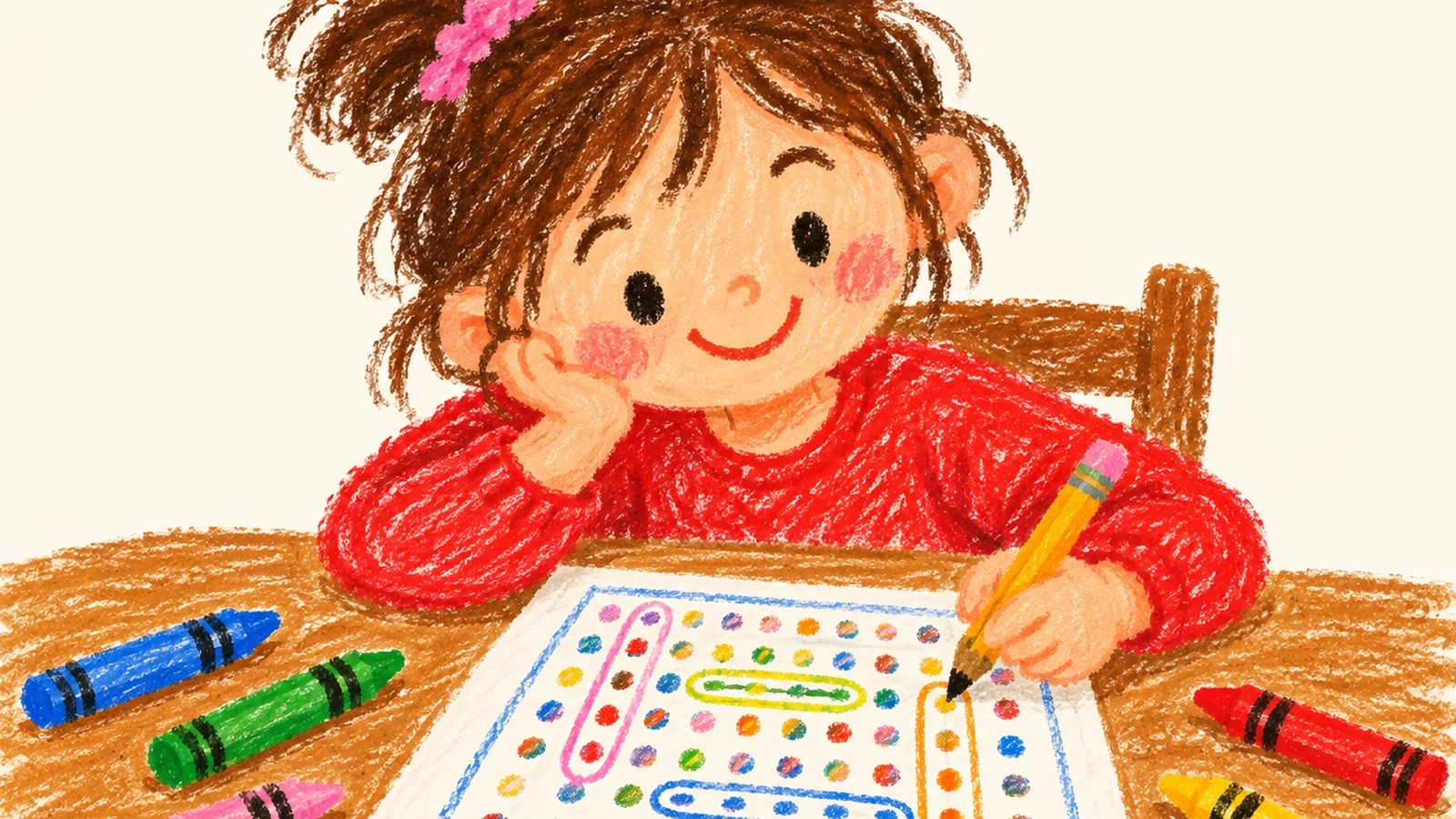
A child is ready for a word search when they can recognize letters, follow a short word list, and look across a page with purpose. Start with an 8 by 8 grid, simple words, and only across and down directions before adding harder patterns.
This guide is for parents, teachers, and caregivers helping children around ages 5 and 6 build confidence with word search puzzles. The goal is not speed. It is helping a child learn how to look carefully, check their work, and feel successful.
Look for these signs your child is ready
Most children do not need to wait until they can read long books before trying a word search. A child who knows many letter sounds, can spot their name on a page, and enjoys finding hidden pictures or matching games may be ready to try.
Got a child who gets frustrated quickly? Start smaller. A short puzzle with four or five familiar words is often a better first step than a busy page with lots of tiny letters.
For a word search for kindergarten, choose words your child already knows. Their name, pet names, colors, animals, and classroom words are good places to begin. You want the hunt to feel like a game, not a reading test.
Start with the easiest puzzle setup
The first puzzles should feel predictable. Use an 8 by 8 grid with words that appear across and down only. Avoid diagonal and backwards words until your child understands the basic search pattern.
Before handing over the pencil, read the word list aloud together. Ask your child to find the first letter of each word and say the sounds they hear. This small step gives them a plan instead of asking them to stare at random letters.
Many kids enjoy using a marker to circle a found word, then crossing it off the list. That simple action shows progress and helps them remember which words are already finished.
Teach the steps one at a time
When children ask how to do a word search, they often need a routine they can repeat. Show them one word, then talk through your thinking as you look for it.
Start by finding the first letter. Then check the letters next to it in the direction the word should go. If the next letter does not match, move to another starting point. Slow searching teaches more than guessing.
A simple routine looks like this:
Read the word list aloud.
Find the first letter of one word.
Check nearby letters in a straight line.
Circle the word and cross it off.
Add challenge after confidence grows
Once your child can solve simple puzzles without much help, add one new challenge at a time. You might add diagonal words first, then try backwards words later.
Watch your child's reaction. Some children love the challenge and start hunting quickly. Others need more practice with the easier version before they are ready for another step. Both are normal.
Printable pages can help you adjust the difficulty without changing the activity. You can use word search printable pages for practice and save harder puzzles for later.
Make a spelling word search at home
A spelling word search is a nice way to practice weekly words without making every activity feel like homework. Take the spelling list, choose the words you want to review, and place them into a puzzle.
A word search maker can help you build a custom puzzle using your child's own words. Try using five to ten spelling words at first, then add more when your child is comfortable.
You can also mix learning with interests. A child who loves space may enjoy a themed puzzle, while another child may prefer animals or favorite foods. The words matter because they give the child a reason to keep looking.
Keep word searches fun at home
The best word search practice sessions are short and relaxed. Ten minutes at the kitchen table after school may work better than a long activity when a child is tired.
Let your child make choices sometimes. They can pick the pencil color, choose which word to find first, or help create a puzzle for a sibling. Small choices make the activity feel like theirs.
For younger children, mix word searches with other printable activities. A child who enjoys letters may also like Alphabet coloring pages or Sight word flashcards printable during the week.
The thing is, the goal is not finishing every puzzle. The goal is helping your child look closely and enjoy finding something they can solve.
Questions parents ask
What age can a child do a word search?
Many children are ready around ages 5 to 6 when they recognize letters and can read a short list of words. Start with simple puzzles and adjust based on your child's comfort.
How do I make a word search easier for my child?
Use a smaller grid, familiar words, and only across and down directions. Reading the list aloud first can help children know what they are searching for.
How can I make a spelling word search?
Use your child's spelling list and place those words into a custom puzzle. A word search maker can help create a printable page for practice.
More from the blog
All articles Mazes for kids: Best sizes by age and solving tricksFind the right maze size for ages 4 to 10, teach simple solving tricks, and build a weekly practice routine that keeps kids interested.
 Dot to dot for preschoolers makes five minutes countSee how dot to dot pages help kids practice numbers, pencil control, and planning, with simple ways to choose the right page for each age.
 Scavenger hunt ideas for kids: 12 fun lists to tryTry 12 scavenger hunts for kids with ready-to-use lists for home, outside, holidays and parties, plus easy rules for preschoolers and older kids.